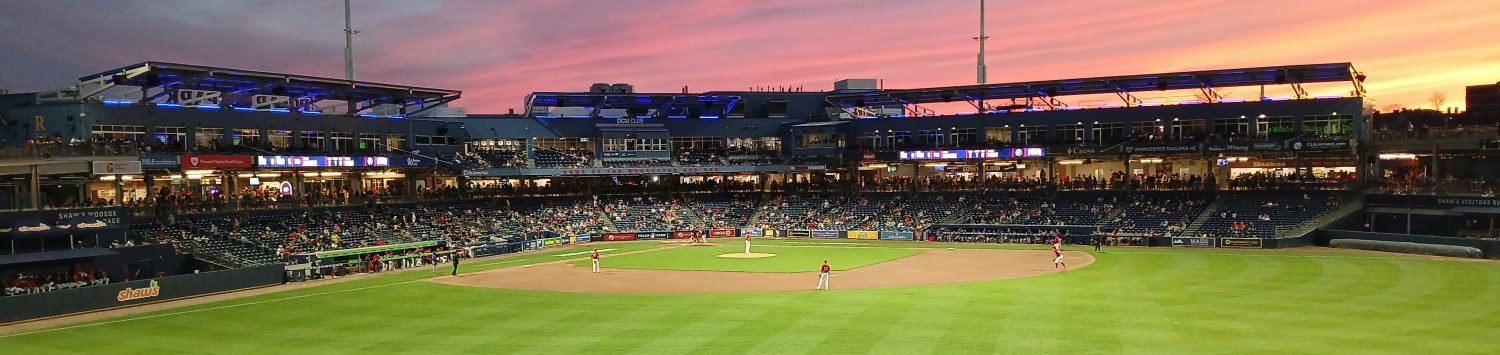
If you watch any high level baseball today, Collegiate to Minor Leagues to Major Leagues, you will notice that batters tend to wear a lot of protective gear. Let’s face it, getting hit by a baseball traveling at high speeds can potentially cause an injury. And depending on the speed of the baseball and the location you are hit, you could sustain a serious injury, one that may require time off the game to recover. And in collegiate and professional sports, that time off the game could result in another player taking your spot, performing at a higher level than you, and potentially taking your spot in the lineup permanently. Add in the potential financial losses in the professional game, and it is no wonder MLB, MILB, and many college baseball batters are geared up like knights in shining armor ready to head to battle against their foe, the pitched ball.
A few current MLB players come to mind when I think of the protective gear subject. I have seen players recently wear elbow guards, hand guards, foot guards, full lower leg guard that cover shin and foot, of course the helmets have evolved with some having the protective guard in front of the mouth. If a batter walks, you will see the batter then take off guard after guard after guard after guard, then run down to first base to then put on another popular guard – the sliding mitt. I am not against protective gear, not in the least bit. I am old enough to remember when players looked like this when they batted:
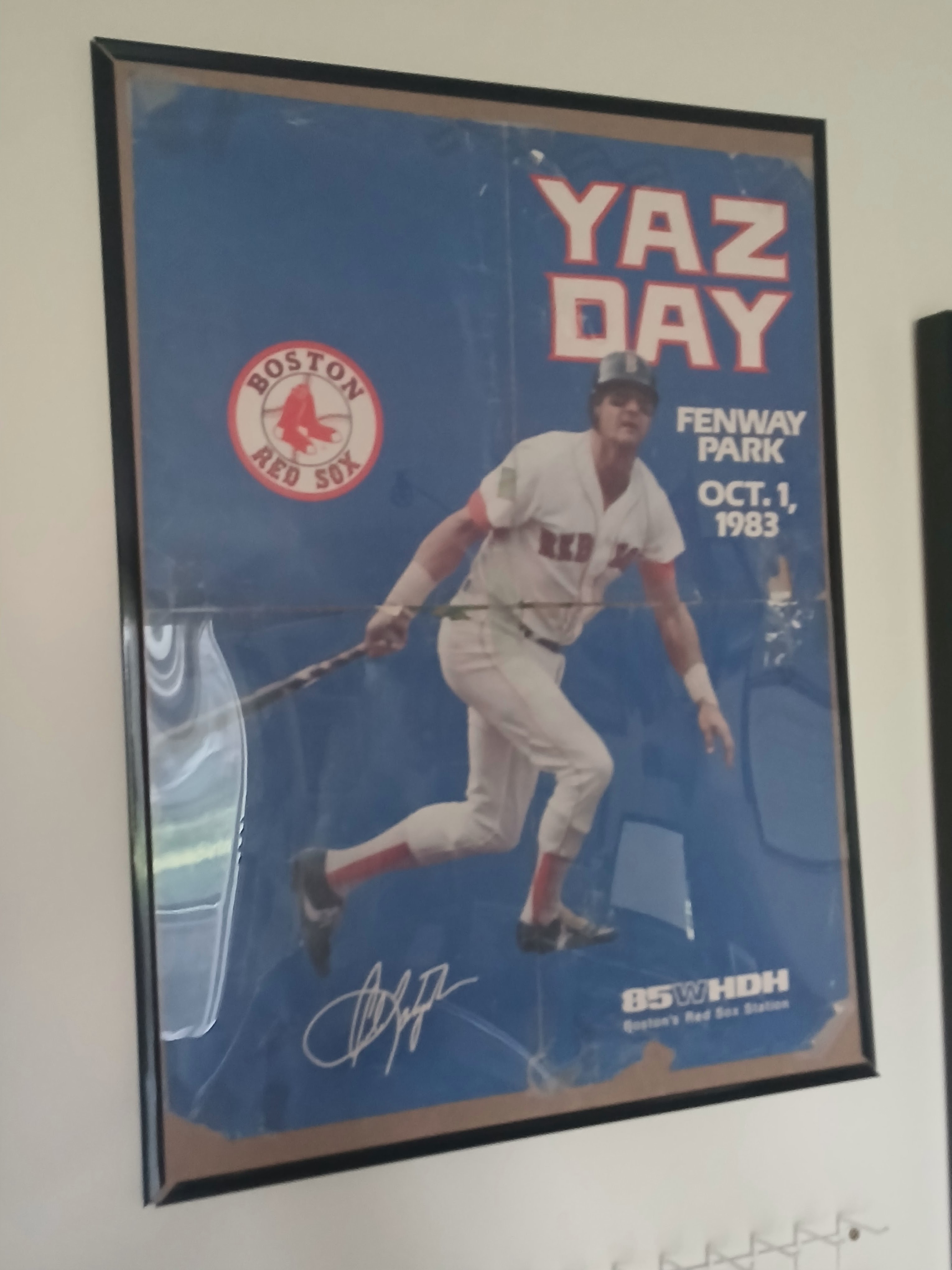
Did Yaz or Mantle or Williams or Aaron ever wear a foot guard or hand guard? Nope. Heck, batting gloves weren’t even popular until the late 1960s and early 1970s. Most batters, like Yaz, went to bat with their bare hands. Did those players get hit? Sure. Did they foul balls off their shins? Yep. Did they miss playing time because they got drilled in the wrist? Absolutely. Could they have used modern technology to protect themselves while batting? Most definitely. Are batters less likely to take a direct hit now on a hand or wrist or shin with all this protective gear on? Almost every at-bat, yes.
So, we all know that professional athletes and some NIL athletes get gear like shoes, helmets, bats, and accessories through endorsement deals with sporting goods companies. Most have them customized with their name or nickname, colors of their choice, maybe a cool logo or design for extra flair, and never have to pay a penny for any of it. But what about the Average Joe and Jane looking to protect themselves in their local baseball game today, this weekend, for an upcoming tournament. So, what is available on the market today and how much does all this protective gear cost? I looked it up this morning.
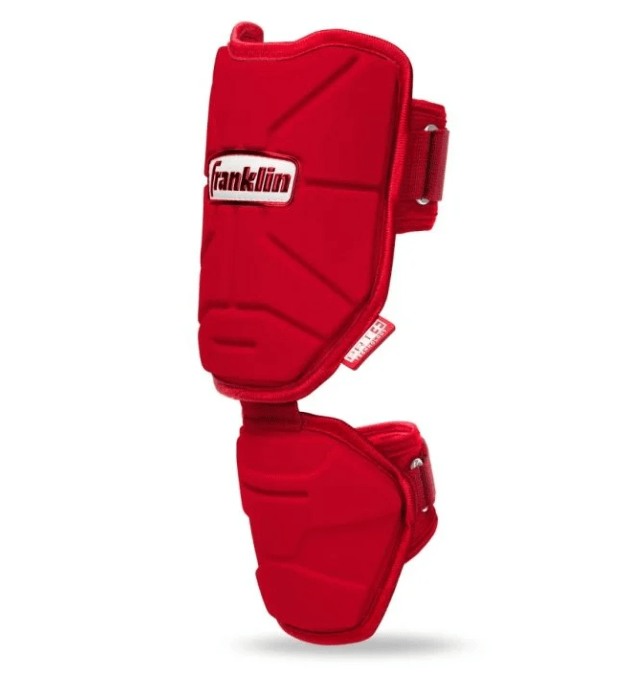
From the few sporting goods websites I researched, you can purchase the following pieces of protective gear for your next at bat:
- Helmet
- Batting gloves
- Leg Guard (covers lower leg, shin, and foot)
- Wrist Guard
- Finger Guard
- Facemask for Helmet
- Hand Guard
- Elbow Guard
- Mouth Guard
- Chest Compression Guard
- And if you get on base, a sliding mitt

So you can theoretically protect your entire body, should you choose, pretty much from head to toe on the side of your body facing the pitcher, plus both of your hands. Baseballs thrown at high speed are not magnets for protective gear, so there is still a possibility you can get hit in places not covered or protected. Like your back foot, top hand/wrist/elbow of your batting grip, back leg as you swing into a pitch. Batting gloves do not protect hands and fingers from the impact of a pitched ball, to my knowledge. Of course, there is the speed of the baseball and your reaction time to a potential hit by pitch that should be factored in. And one other point, the gear that I observed does not appear to affect the range of motion of a swing. Now, let’s consider the cost.
The major sporting goods retailers I researched all have options price wise. I didn’t get too far into the specification differences between a helmet that was $40 vs one that was $140, but needless to say a lot of it has to do with branding. The same can be said for a leg guard, which ranged from about $40 to into the $100s. Wrist guard, you are looking at about $25 and up. Batting gloves are fairly inexpensive on the low end or you can go high end with a brand name. Finger guard, should you need one, is available for around $15 or so. Elbow guards ranged from about $40 and up. Hand guards, again around $25 and up. Chest protection guard was about $40 and up. I even saw a heart guard, that was pretty cool. Add it all up, you are looking at spending about a hundred to well over hundreds of dollars on protective gear for your next at bat.
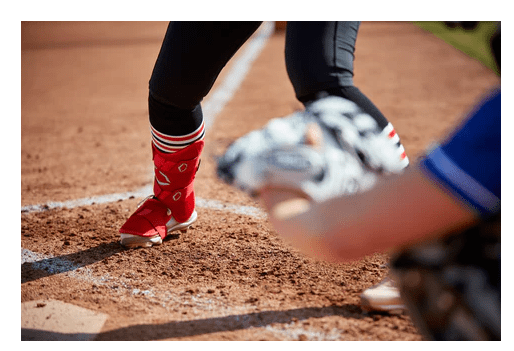
Helmets are essential and required from Little League games to MLB games, so that is a non-starter in terms of need. Mouth guards are great for reducing forces that cause concussions, so I am 100% on board there. Same with batting gloves, they are a proven tool to help hands, fingers get a better grip on the bat. I can see the elbow guard, hand guard as being a game saving tool because there are a lot of little bones in your wrist and hand that will most likely bruise, even break on impact from a 90+ mph fastball. Leg guard, yeah I can see the rationale because a lot of players foul pitches off their shin and that can really, really hurt. Been there, done that. Chest guard, finger guard, heart guard – I’m sort of on the fence with those, seems kind of overkill. And the costs are not tremendously outrageous, so you can choose the protective gear that fits your swing and where you want to protect the most, even if that is the entire side of your body facing the pitcher.
Or you can bat like Yaz did and take your chances. Helmet, yes. Batting gloves, nope. Wrist, hand, leg, chest guards, no way! If you get hit, maybe the “rub some dirt on it” approach will work for you, as it did for many of Yaz’s peers.
Discover more from The Baseball Storyteller
Subscribe to get the latest posts sent to your email.
 The Baseball Storyteller
Good day. Maybe the most amazing thing about the lack of protective gear back in the prime days of Yaz, Mays, Aaron, Mantle, etc. was that pitchers like Bob GIbson, Koufax, Marichal, etc. were still allowed to throw about the batter to back him off the plate and not even get ejected for it. Mays stood close to the plate and was “brushed back” many times, landing on the ground. Umpires didn’t even flinch but called a ball or strike and waited for him to get back up. Yes, players wear a lot of protective gear compared to then (and especially to Babe Ruth’s time), but they are also protected from the brushback pitch. The health of the players is important but I think the main change in the rules was driven to protect their health due to the insane salaries they now make. Cheers.
LikeLike