
As we close out January and head into February, the anticipation for the 2026 baseball season is nearing its apex for baseball fans like myself. Professional level players start reporting to and playing Spring Training games very soon. In roughly 2 weeks time, right after a very important milestone (another trip around the sun), collegiate baseball teams will begin play. And although most scholastic baseball seasons start later on in the Spring after Winter sports have concluded, baseball is still on the minds of scholastic players, coaches, and schools this time of year. Which means there will be a lot of players vying for a lot of positions on a lot of teams, so my question is…
With the process of baseball evaluation and scouting turning mostly to technology and software for some time now, is there room anymore for the eye test in evaluating the talent of a baseball player? Can a player make a team, move up the roster, make a significant jump in exposure during these pre-season practices and games by catching the eye of a talent evaluator, coach, scout? Or has technology become such a behemoth in the room that the eye test is no longer welcomed into the room at all?
I’m not scared of the technology that baseball evaluators and scouts use in 2026, I simply don’t know how to use any of it. It is to say, I am an eye test baseball player evaluator – always have been, probably always will be. That’s not to say I can’t take a class or shadow an area scout one day and learn. In my lifetime as a baseball player and writer, I have chatted it up with tons of baseball evaluators and scouts, attended pro days, attended college scouting events, and written about the game’s performance software tools. I have watched how technology like Rapsodo, Trackman, and others have given instant feedback to evaluators during scouting combines. I know technology is important to how a player is scouted. I just wonder if the eye test fits into the process at all and what does that look like?
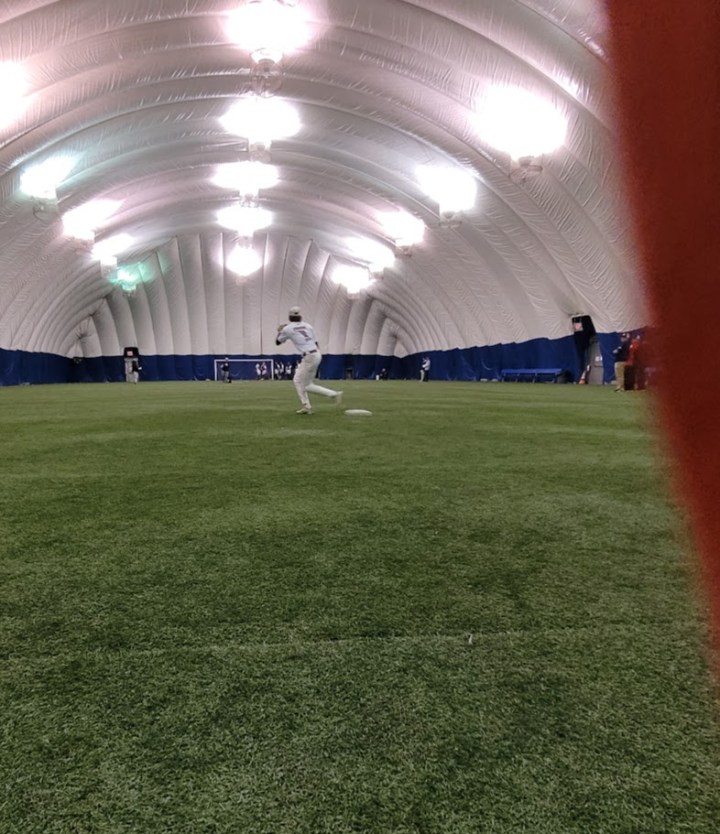
So, what characteristics can one derive simply from the eye test when evaluating a baseball player? To my knowledge, and again you have to remember that I am mostly ignorant when it comes to technology, there has to be some kind of list of player performance metrics that a computer or software cannot generate. Sure, we can measure an infielder’s potential range at the shortstop position based on his ability to run at X speed for Y distance to snag a groundball heading into the outfield. I’m sure reaction time can be and will be measured here. We can then measure the infielder’s arm strength by the time it takes from Point A to the first basemen’s mitt. Range and arm strength, those are two important metrics for an infielder evaluation and I’m guessing that a ton of data can be extracted by analyzing this one example which to most is a routine shortstop play.
So, where would the eye test fit into this example? Humbly, I will give it a go with these questions and perhaps answers:
- How was his footwork? Specifically, how was his first step, his pivot, his explosive first move?
- How athletic did his body look running after the ball?
- What did his deceleration look like, athletic or awkward?
- What was his flexibility as he reached down to field the baseball? Did he bend at the waist, lower his body down, lower only parts of his body down?
- What was his footwork like as he transferred the baseball from his glove to his throwing hand?
- Does he have a strong arm or is his arm strength the result of good form?
- What did his follow through look like? Did he follow the baseball all the way across the infield into the first baseman’s glove?
- What was his body language after a successful field and catch? What is his body language after an unsuccessful field and catch?
- Based on the eye test, I am seeing an athletic baseball player with a strong arm and exceptional range. I am not seeing an impact type shortstop because his first steps were awkward at best, he got up to speed eventually but his burst is low, his flexibility was questionable when he bent down to field the baseball, and he threw off his back foot instead of setting his feet to throw. Although this player ranks high on athleticism and his arm strength is starting pitcher level, I would like to see this player work out at a different spot in the infield or perhaps in the outfield.

If you ran this player’s range, arm strength, and speed through the scouting software, I am guessing that “starting shortstop” may spit out of the printer. However, the eye test results may give you a different conclusion. In this example, are the eye test recommendations enough to make the evaluators pause and perhaps listen? I don’t know, that is why I ask the question of where, if at all, does the eye test fit into the modern world of baseball evaluation and scouting. And it gets infinitely more advanced when you are evaluating pitchers, catchers, and hitters.
On the mound, behind the dish, and at the plate you have data points galore. Spin rates, exit velocity, pop times, launch angle, arm angle, home to first, home to second, distance traveled across the plate, distance traveled from plate to bleachers, pitch speed – I could go on and on. Here, the technology can really build a player profile on how well a pitcher throws, how a catcher catches, and how a hitter hits. Where would the eye test fit into evaluating a pitcher’s ability to throw strikes on a cold Spring day or a catcher’s ability to block a 55 foot curveball or a hitter’s ability to lay off a tough changeup away? I’m not really sure, that is why I ask.
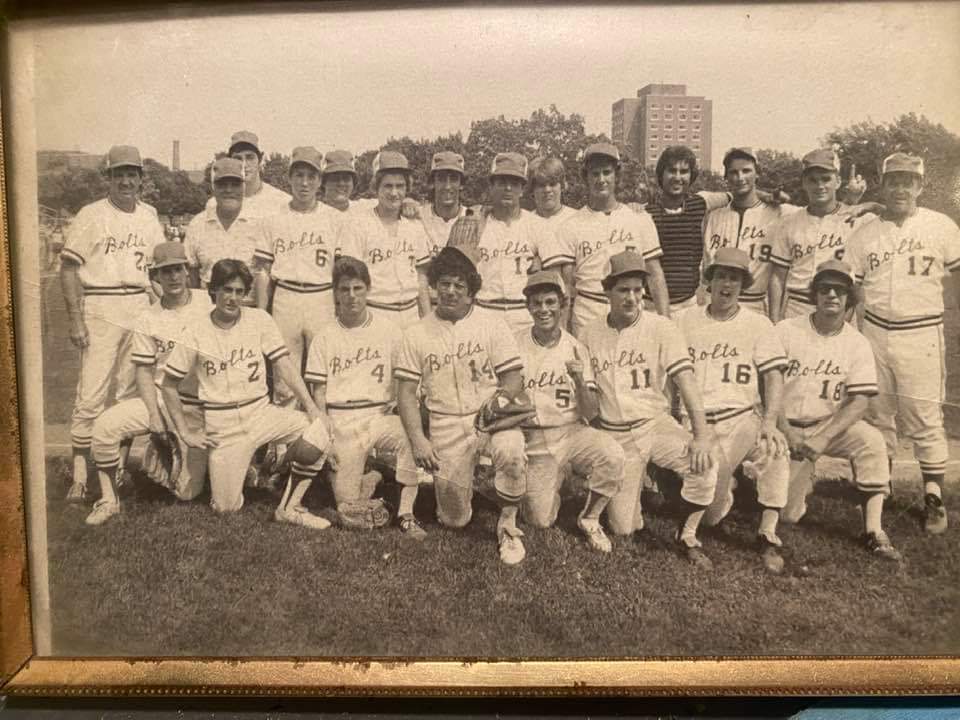
In recent years, I have read a handful of books on players from previous generations of baseball. I have read countless stories about players who logged time in Major League Baseball prior to the advent of technology. I have interviewed players who played in the 1950s and 1960s. How were they chosen out of high school in Cranston or at Yale University or the cornfields of Iowa? Simple answer – A scout watched them play a game or series of games and based on the eye test, decided that player was good enough to sign and potentially make an impact in the scout’s organization. Technology in scouting is not new or even decades new, it has been around for a long time. But the eye test precedes any piece of software being used today and is slowly and methodically being squeezed out of baseball evaluation and scouting in the modern baseball world.
So I conclude with this question – Is There Room For The Eye Test Anymore In Baseball Evaluation and Scouting? What do you think?


 The Baseball Storyteller