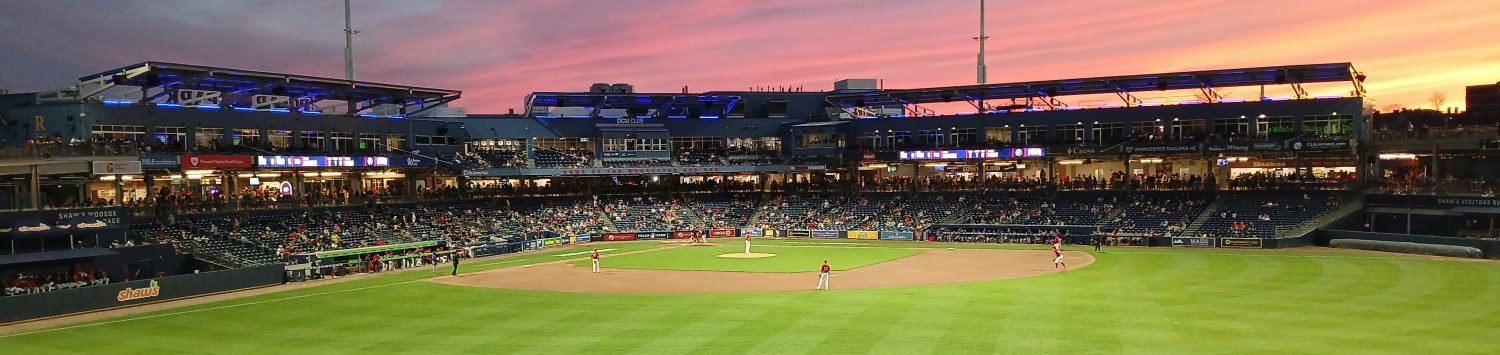

When the calendar strikes anew every January, youth baseball leagues from California to Maine start to crank up the hype machine for the upcoming baseball season. Whether you are scheduling your Opening Day in February, March, or May your league is meeting on important topics that will impact your league’s 2026 season. One of those topics could be a new scoreboard or dugouts or field lights. Or, perhaps a new website or press box or batting cage. If you have tried and somewhat succeeded at fundraising for these improvements and still find your league falling short moneywise, you have an another funding option. Grants.
And it is now, the first of the new year, that you need to step up to the plate and get your grants in order, on paper, and in the hands of those who can help your league financially through funding grants. Here are a few introductory tips on getting your league ready to complete a grant, submit a grant, and potentially get your money in time to get that new scoreboard, website, batting cage, or all of the above. This is far from it, but you have to start with the basics:
- Identify who is the grant writer for your team, league, or organization. Many leagues have board member turnover from year to year. A trusted grant writer from 2025 may have moved on or retired or resigned from your board of directors and/or organization. A team can be assembled to do research and help with the project, but in my opinion, there should be one grant writer drafting the proposal and in charge of the verbiage of the grant.
- If missing from your organization, develop a mission statement that defines your organization. Make sure your mission statement clearly identifies who you are so that a funding organization has no doubt who you are.
- Funding organizations will be asking for tax documentation so make sure your tax exempt status, past year filings, and tax documentation is up to date and spotless. Again, with the board member turnover you may have a new CFO or team bookkeeper who needs to get up to speed asap on banking, bookkeeping, and any tax issues that might come up from a funding organization.
- Meet and discuss and document why your league and/or organization is important to your community. Not that a new scoreboard will make you competitive regionally or a new batting cage will help your league hit the curveball better. What does your league’s presence do that positively impacts your community? This is an important meeting and the input of sponsors may be helpful in this discussion.
- Define a realistic project with a tangible need for your organization. Your league probably doesn’t need a dome structure over the Tee Ball field. However, capital improvements such as a new pitcher’s mound, new dugouts, perhaps new lighting and a new batting cage are realistic projects that provide a tangible need. And one that a funding organization can review without questioning its authenticity or ridiculousness.
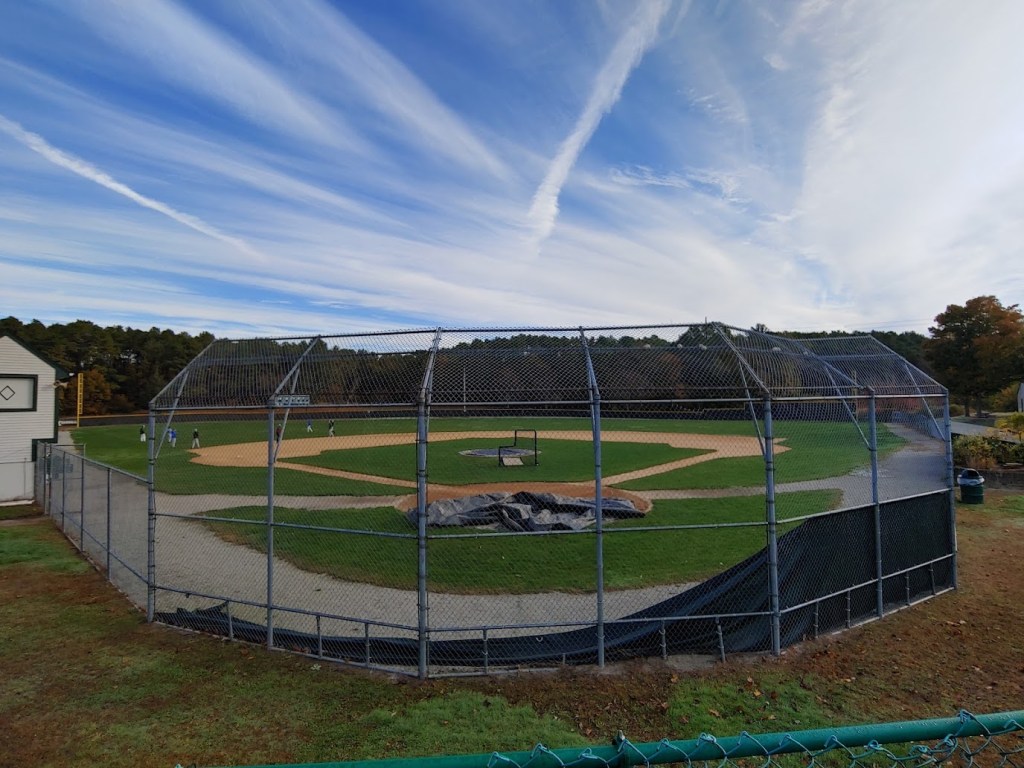
The broad strokes detailed above just about scratch the surface of the grant writing process. Even the best and most experienced grant writers cannot throw together a new grant proposal after one meeting. Plan on meeting several times with your grant writing team. Encourage input from sponsors and the community at large during public meetings. The grind of the proposal will be the details, so be patient with the process. Like on the playing field, you will be competing with other leagues and teams and organizations this time of year for grant money. So, get started now and thank me later.

After all, you can build a new batting cage without digging that first shovel of dirt. Stay tuned weekly for more grant writing proposal tips for your youth baseball team, league, or organization. And if you need specific help, I am a certified grant writer, so send me a message and I will do my best to answer your question.
Your message has been sent

 The Baseball Storyteller