I was home watching the Boston Red Sox take on the Chicago Cubs yesterday afternoon on MLB.TV. Pretty competitive game after a 1st inning three run home run by the Cubs Seiya Suzuki put the Cubbies up big to start the game. The Red Sox added a run in the 3rd, the Cubs countered with one in the 6th to make the score (again) a very competitive 4-1. Anyone’s game, in my opinion, at this point. Then, in the Red Sox top of the 7th, Boston got something cooking. Until the pilot light went off…

Boston’s Ceddanne Rafaela led off the top of the 7th with a rocket driven right down the third base line, heading into the corner for a sure double. The third base umpire, standing behind the bag, called the play fair. The ballpark ballboy/attendant inadvertently grabbed the baseball, then causing the umpires to call a dead ball, and Rafaela trotted into 2nd base. Great start to the inning, big time rally coming here, Sox are cooking! But wait, the umpires got together and someone, the play was reversed. The ball was called foul and Rafaela was instructed to come back to the plate. How is the ball foul? The third base umpire was literally standing on the foul line, straddling the line, then watched the ball move in his space, called it fair in real time. Now, the call is reversed and the inning’s chaos has been reduced to nothing. Rafaela would eventually get a single, not surprisingly hit in roughly the same spot down the third base line, but would only reach first. He was out via a force play via the next batter, Bregman then grounded out, and Anthony flew out to right to end the inning. Red Sox got robbed by a foul ball that was called fair in real time. So let’s talk technology.
A few weeks back, The Score reported this after then NY Yankee hitter DJ LeMahieu’s botched foul/fair ball call against him, “LeMahieu, who was also tossed from the game, suggested it’s time for MLB to implement electronic technology for fair or foul line calls like tennis has for its line calling.” LeMahieu continued, “Yeah, that’d be nice,” he told told Gary Phillips of the New York Daily News. “How are we trying to look at a moving video camera to decide if it’s fair or foul? We have all the technology you could possibly have in this game. How do you not get stuff like that right? I’m sure they’ve thought about it.” That foul/fair ball happened at Fenway Park against my Boston Red Sox, a 10th inning hit that may have affected the score of that game. The Red Sox ended up winning that contest 2-1 by the way, so if LeMahieu gets on, you have a pinch runner, yada yada yada, you may have a different result. You decide – fair or foul?
Here are the technology upgrades in professional baseball, from what I can come up with off the top of my head, over the past few years:
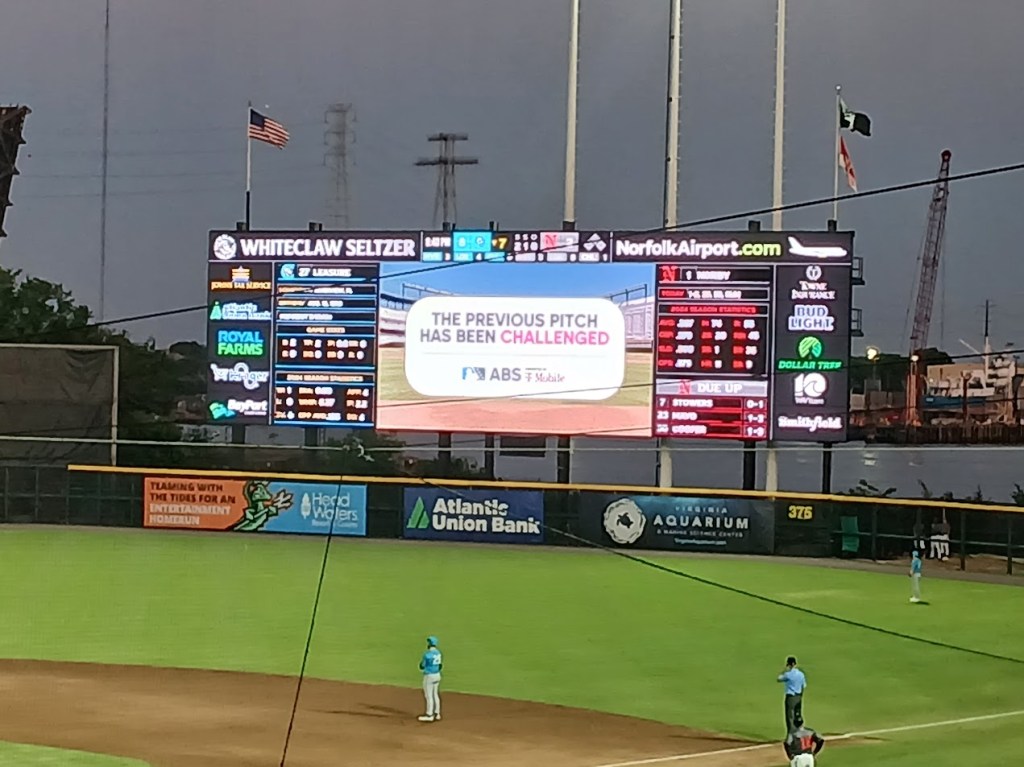
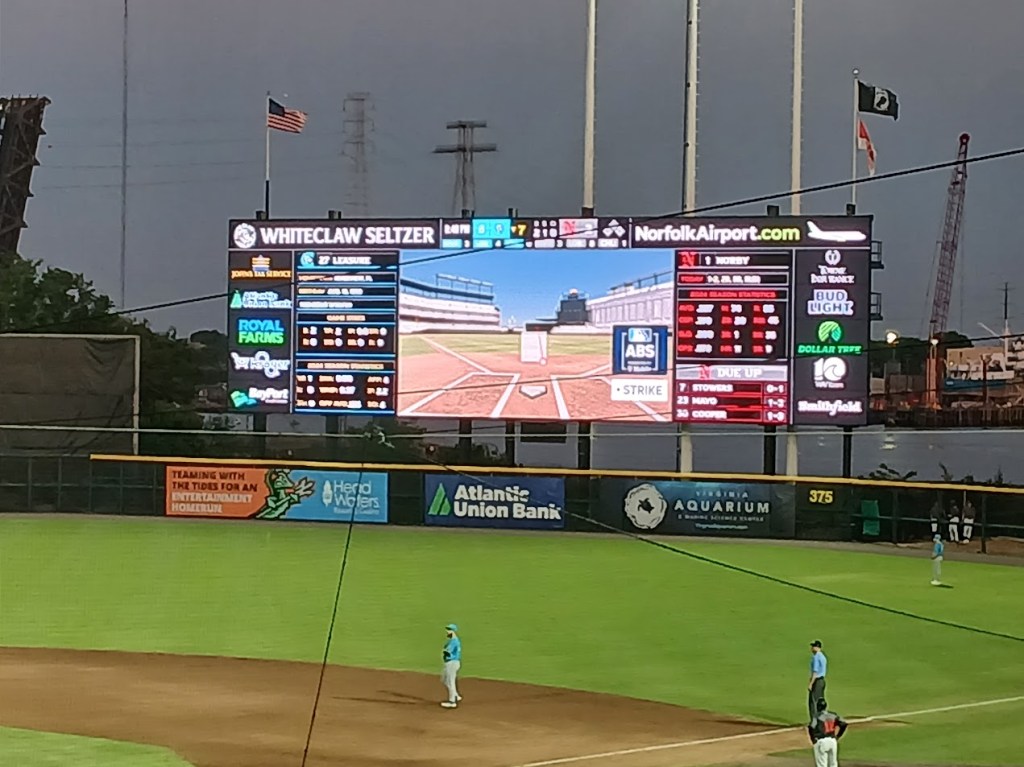
Automated Balls and Strike System – a video replay of a challenged pitch appears on the giant TV or Jumbotron in the outfield, which shows the travel of the baseball and its location either in the strike zone or not. Pretty simple to see why they need this in professional baseball, as strikes are call balls and balls are called strikes at a ridiculous rate in modern baseball.
Instant replay is now a huge part of the game. Managers have 15 seconds or so to call their office people watching the game, and determine if a call on the field was accurate or not. If a manager wants to challenge a call on the field, he then mimics the sign for putting headphones on, at least the ones I used to wear back in the day, then the umpiring crew pause the game, call the NY office of Major League Baseball, those people review the play, then come back to the umpires on the field to either confirm or reverse the call. And I would have to say, even this system, which on paper seems flawless, is fallible. I have seen calls reversed that should not have been. I have seen calls confirmed that should not have been. Instant replay should be definitive, but it is far from that.
Every broadcasted game, at least the ones I have watched, there is a square on the screen which denotes the strike zone of the batter. Balls fly in there at 90 plus mph with movement, and are called balls not strikes. Balls five feet outside (exaggerating) are called strikes. Robot umpiring has been testing in the Atlantic League and some minor leagues, where a relay is sent to the home plate umpire telling him or her that it was a ball or strike. This, along with the ABS System of challenging pitches, will make the game a lot more robotic and predictable and less human than ever. Maybe this is what the executives at Major League Baseball want? Or, maybe we could do a better job with the human umpires to upgrade their skills and judgements? I’m leaning more towards upgrading standards, but then again I am an old school baseballer.
So, we have instant replay on many levels of professional and amateur baseball leagues. We have the ABS System of challenging pitches in the minor leagues and soon in the Major Leagues. We have robot umpiring being tested in professional baseball. Maybe it is time for a foul ball technology, like the one LeMahieu suggested, to be tested in the minor leagues. Here’s a thought – A camera positioned on the left field foul pole that shoots a perfect straight line dot to the corner of the bag at third base, defining the fair or foul territory on the playing field. A similar one in right field pointing directly at the corner of the first base bag. When the ball is hit, the computer generated perfect line is the marker for a fair or foul ball. Then, a manager or player can challenge the call and see if there is video evidence to support their claim. Put the video up on the big screen, like they do at Wimbledon or Arthur Ashe Stadium (tennis courts), and “play the film Johnny.” Us fans at home, us fans in the stands, the players in the dugouts, the hot dog vendors, the ice cream man, the beer lady – we can all watch together as the baseball hits the computer line and is in fact a fair ball. Not exactly rocket science here folks.
If a manager challenges a fair or foul ball call on the field, it counts as a manager’s challenge. Play is stopped, dead ball. Once the play is determined, the player’s momentum prior to the dead ball will be counted. MLB will have to determine where the player should land if a foul ball call is reversed to a fair ball. Probably just to first base, although that robs players like Rafaela with the speed to get to second on a routine play down the line. In the general scheme of things, being awarded first base is better than an inaccurate judgement calling it a foul ball and then potentially returning to the batter’s box and getting out at the plate. The fair and foul ball call can cost a team momentum, like in yesterday’s game example. I don’t buy that one play doesn’t affect a game, it most definitely does. Hitters are pitched differently, batters approach their at bats differently, managers manage differently with a guy on second base, with speed, with no outs in a tight ball game.
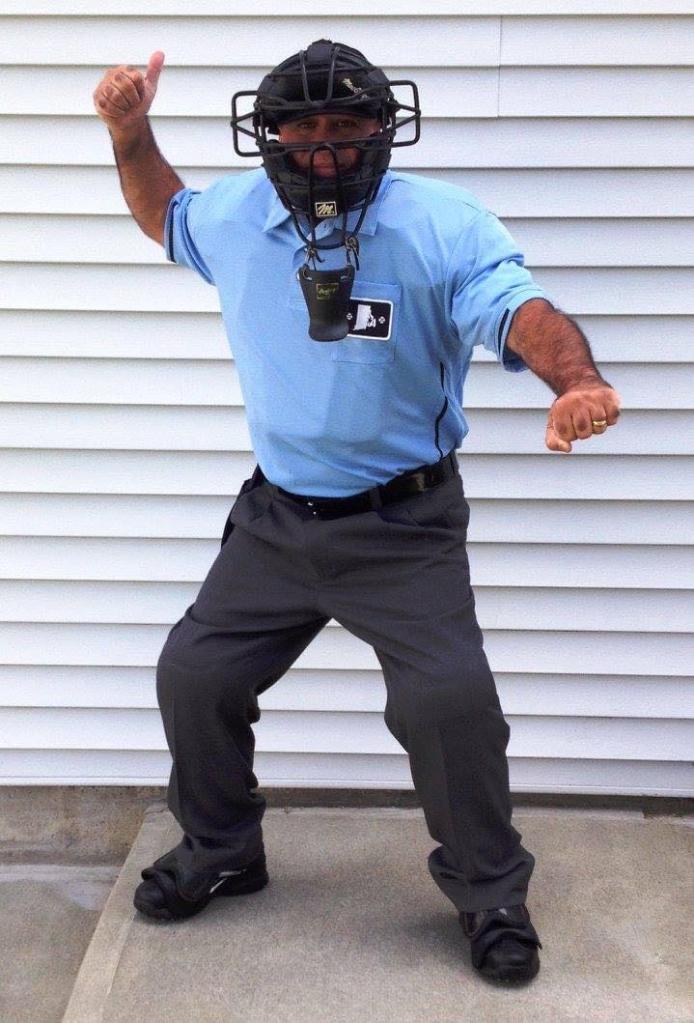
The technology door has been opened by Major League Baseball and professional sports in general. You folks started down this path and now you are going to have to go all the way and take that door off and let technology all the way in. We fans love instant replay when it benefits our team, and cringe when the call goes the other way against our team. When balls and strikes are called by computers, not humans, many fans will cheer at the perfection of the game. So, why not add a foul line sensor to each ballpark to make sure that no one, no umpire, no human can ever make a mistake calling fair or foul again.
Or, we can train our human umpires to just do better, increase their accuracy of calls, and keep the game of baseball beautifully unpredictable and at times, unfortunately inaccurate. The game has a way of policing itself, a scout once told me in my high school playing days. “Calls are made up on the field by an umpire,” he told me, “without anyone even knowing it.” Now that sounds like a baseball game that I want to see and be a part of.
Discover more from The Baseball Storyteller
Subscribe to get the latest posts sent to your email.
 The Baseball Storyteller